Best Medical Science Training Courses

Medical science is one of the broadest and most sensitive fields of education worldwide. Learning in this area is not limited to memorizing theoretical concepts; rather, it combines scientific knowledge, practical skills, clinical decision-making, and effective patient communication. With the growth of online education and easy access to digital resources, the learning pathway in medical sciences has undergone a major transformation. Today, learning is no longer limited to traditional university classrooms, and specialized training courses play a crucial role in enhancing the scientific and professional competence of healthcare professionals.
In this article, we aim to provide a comprehensive, practical, and up-to-date guide to medical science training courses. This guide helps you become familiar with different educational categories, understand the application of each field, and recognize their importance in your professional journey, enabling you to plan your academic and career future with greater clarity.
The Importance of Medical Science Training Courses in Today’s World
Rapid advances in medical technology, the growing volume of scientific publications, and continuous updates to clinical guidelines have turned medical education into a lifelong learning process. Physicians, nurses, and other healthcare professionals can no longer rely solely on what they learned during their university education, as medical knowledge is constantly evolving and new diagnostic and treatment methods replace outdated approaches.
Medical science training courses address this need in a structured and targeted manner by providing practical, up-to-date, and job-oriented education. These courses help professionals stay aligned with scientific progress, improve the quality of healthcare services, and ultimately play a more effective role in promoting public health.
What Features Should a Credible Medical Training Course Have?
Choosing a credible medical training course is extremely important, as the quality of education directly affects a learner’s knowledge level, clinical skills, and even treatment-related decision-making. One of the most critical indicators of a course’s credibility is the instructor or instructors delivering the content. Courses taught by experienced physicians, specialists, or well-recognized academic professionals tend to offer more accurate, practical, and clinically grounded content.
Beyond the instructor, the credibility of the institution or platform providing the course is equally important. A reliable course should be offered by well-known educational institutions, universities, or international organizations and follow up-to-date medical standards. In this regard, Git.ir provides access to international medical training courses from reputable institutions and leading global instructors, enabling medical professionals to benefit from high-quality, up-to-date education without geographical limitations.
Medical Education: The Starting Point of Specialized Learning
The Medical Education category serves as the foundation and entry point into the world of medical sciences. This section includes fundamental concepts, principles of disease diagnosis, treatment basics, and an overview of the healthcare system. For medical students and newcomers to the field, these courses form the backbone of structured medical learning.
A solid and principled understanding at this stage prevents confusion and fragmentation in later academic and professional development. These courses help organize core medical concepts and build the mental framework required for successful entry into specialized and advanced medical training programs.
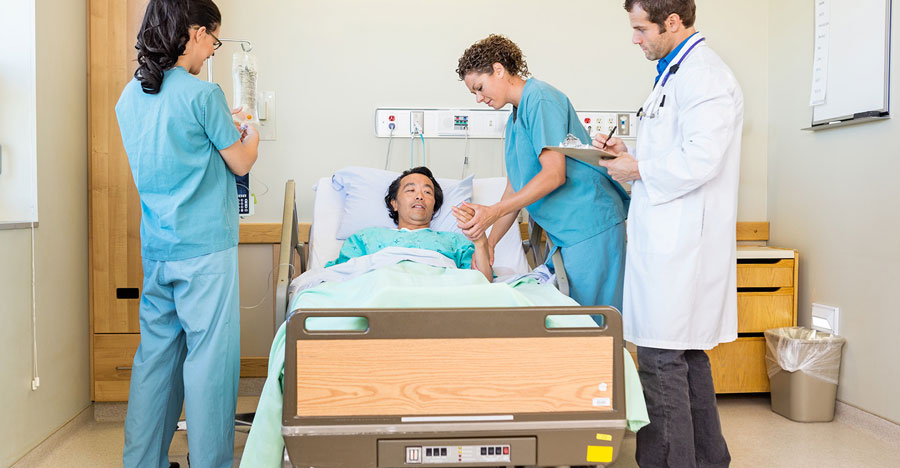
Nursing and Nursing Skills: The Backbone of the Healthcare System
Nursing is one of the most influential pillars of the healthcare system, with nurses responsible for a significant portion of direct patient care. Nursing and Nursing Skills courses are designed to strengthen both scientific knowledge and practical competencies, enabling nurses to perform accurately, safely, and professionally in clinical environments.
These courses cover topics such as clinical care, vital signs monitoring, medication management, infection prevention, and effective patient communication. Mastery of these skills plays a vital role in improving care quality, reducing medical errors, and enhancing patient safety.
Psychiatry and Psychology: Focusing on Mental Health
Mental health is a fundamental component of overall human health and has gained increasing attention in modern healthcare systems. Psychiatry and Psychology courses are designed to identify, diagnose, and treat mental and behavioral disorders, covering a wide range of conditions from anxiety and depression to severe psychiatric illnesses. These programs are evidence-based and introduce the latest pharmacological and non-pharmacological treatment approaches.
The importance of these courses extends beyond mental health specialists. General practitioners, nurses, and other healthcare professionals can benefit by recognizing early signs of psychological disorders, ensuring timely diagnosis, proper referral, and improved patient quality of life.
Clinical Specialties: Entering the World of Advanced Medical Care
Clinical Specialties courses are designed for professionals seeking to deepen their expertise in specific areas of medical treatment. These programs are often based on real clinical experiences and focus on symptom analysis, differential diagnosis, and selecting the most effective treatment strategies.
Learning in this category is commonly case-based, exposing participants to real patient scenarios. This approach enhances clinical reasoning, improves decision-making accuracy, and prepares learners to manage complex medical situations effectively.
Internal Medicine: The Foundation of Disease Diagnosis
Internal Medicine is one of the most fundamental and comprehensive branches of medical science, focusing on diagnosing and treating diseases of internal organs. It covers cardiovascular, respiratory, gastrointestinal, renal, endocrine, and systemic disorders and plays a key role in initial patient assessment.
Internal medicine courses help physicians develop a holistic and analytical view of patient symptoms, enabling more accurate diagnoses and effective treatment planning. This field serves as the foundation for many medical subspecialties.
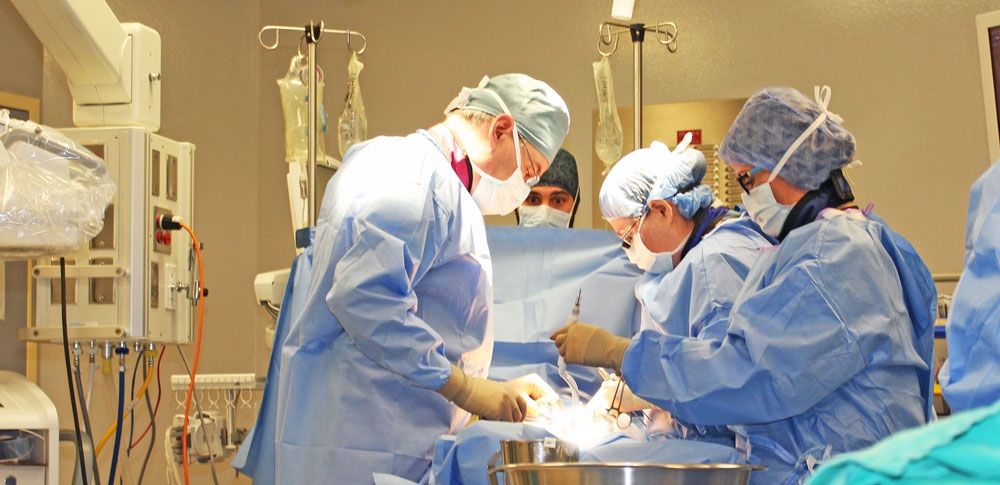
Surgery: Integrating Knowledge and Practical Skill
Surgery is one of the most hands-on and sensitive branches of medical science, requiring a precise combination of theoretical knowledge, technical skill, and rapid decision-making. Surgery courses are designed to teach surgical fundamentals, common techniques, and pre-, intra-, and post-operative processes.
Topics such as sterilization principles, complication management, post-operative care, and teamwork in the operating room are emphasized. Proper training significantly reduces surgical errors, enhances patient safety, and improves clinical outcomes.
Cardiology: A Critical and Challenging Specialty
Cardiology is one of the most critical medical specialties, as cardiovascular diseases remain a leading cause of mortality worldwide. Cardiology courses focus on heart structure, circulatory system function, and common cardiac conditions, providing physicians with up-to-date knowledge.
These programs cover diagnostic methods such as ECG and echocardiography, as well as pharmacological and interventional treatments. Mastery of these topics enables early detection of warning signs and prevention of life-threatening complications.
Obstetrics and Gynecology: Caring for Mothers and Infants
Obstetrics and gynecology is one of the most sensitive medical fields, addressing women’s health throughout different life stages. Obstetrics and Gynecology courses cover pregnancy, childbirth, gynecological diseases, and preventive care.
These courses help physicians identify high-risk pregnancies, provide appropriate care, and minimize potential complications. Proper education in this field has a direct impact on maternal and fetal health and carries both clinical and human significance.
Neurology: The Complexity of the Nervous System
The nervous system is one of the most complex and vital systems in the human body, and even minor dysfunctions can have serious consequences. Neurology courses focus on the structure and function of the brain, spinal cord, and peripheral nerves, addressing conditions such as stroke, epilepsy, Parkinson’s disease, multiple sclerosis, and other neurological disorders.
These courses enable healthcare professionals to recognize subtle neurological symptoms, perform accurate differential diagnoses, and initiate timely treatment to improve patient outcomes and quality of life.
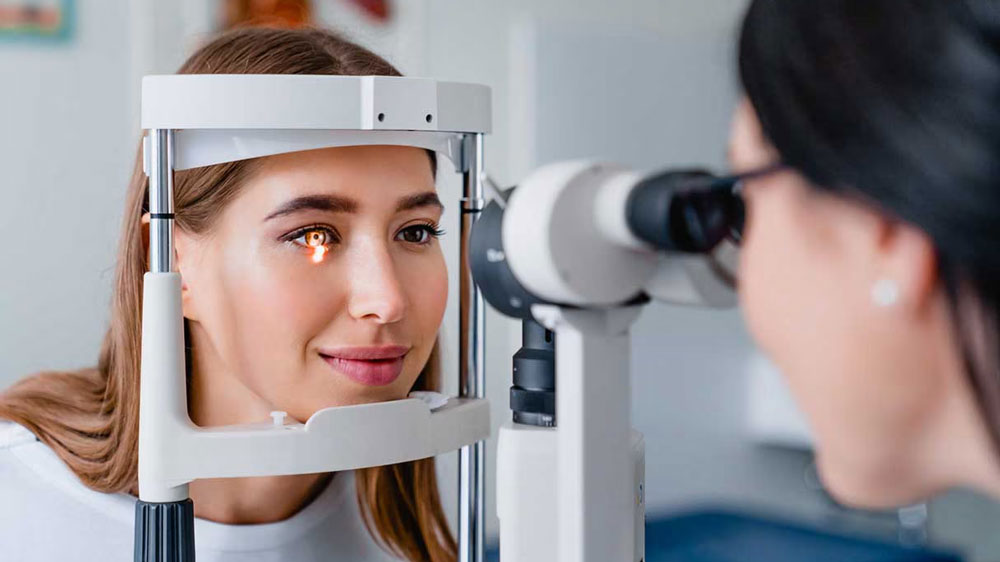
Pediatrics, Dermatology, and Otolaryngology
Pediatrics focuses on the health of infants, children, and adolescents. Pediatrics courses emphasize normal growth, common childhood diseases, and age-specific diagnostic and treatment approaches.
Additionally, Dermatology and Otolaryngology (ENT) address prevalent conditions such as skin disorders, hair loss, ear infections, hearing impairments, and respiratory issues. Training in these fields supports accurate diagnosis and effective treatment.
Clinical and Communication Skills: Complementing Medical Knowledge
Scientific medical knowledge alone is insufficient without strong clinical and communication skills. Clinical and Communication Skills courses aim to enhance physician–patient interaction, diagnostic accuracy, and clinical decision-making.
These programs include skills such as proper history taking, empathetic communication, effective information delivery, and managing sensitive situations. Strengthening these competencies builds patient trust, improves treatment adherence, and reduces medical errors.
Medical Licensing Exams and Academic Success
Medical licensing exams are among the most decisive stages in a medical professional’s academic and career path. Medical Licensing Exam courses are designed to prepare candidates academically and mentally by helping them review extensive medical content in a structured manner.
These courses typically include topic consolidation, test-taking strategies, analysis of previous exam questions, and time management techniques, reducing stress and improving exam performance.

Basic Medical Sciences: The Foundation of Clinical Understanding
Basic medical sciences form the foundation of understanding diseases and clinical processes. Courses in Anatomy, Physiology, and Biochemistry provide deep insight into normal human body function.
In addition, Pathology, Pharmacology, and Microbiology and Immunology bridge the gap between basic science and clinical practice, enabling logical disease analysis and effective treatment selection.
Complementary and Interdisciplinary Fields
Complementary and interdisciplinary fields play an important role in expanding medical knowledge and skills. Courses such as Emergency Medicine and Family Medicine prepare physicians for rapid decision-making and comprehensive patient care.
Additionally, education in Medical Ethics, Research, and Scientific Evidence and complementary areas such as Healthcare, Massage Therapy, Art Therapy, and Energy Therapy promotes a holistic view of health beyond physical treatment alone.
How to Choose the Right Medical Science Course?
Selecting the right medical training course is one of the most important decisions affecting academic and professional development. Identifying career goals, assessing current knowledge level, and understanding required competencies are essential first steps in this process.
Evaluating course content, practical relevance, updated curricula, and alignment with real clinical needs ensures effective learning. Informed course selection leads to faster, deeper, and more meaningful professional growth.
Conclusion
Medical science training courses play a vital role in enhancing knowledge, skills, and professional competence within the healthcare sector. The wide variety of available programs allows students, physicians, nurses, and healthcare professionals to choose learning paths tailored to their individual and career needs.
By understanding educational categories, making informed choices, and investing consistently in learning, healthcare professionals can improve service quality, increase job satisfaction, and strengthen patient trust. Continuous and targeted education remains one of the most important foundations for long-term success in healthcare and medical practice.
Please Log in to leave a comment.