How to Build Customer Loyalty Through Brand Experience

Standing out in a crowded market is a lot like wearing neon at a black-tie event: people notice. And it’s not just what you sell that makes them look twice; it’s the unforgettable brand experience you serve up alongside it.
Did you know 73% of consumers say the “experience factor” is more important than price or product quality in their purchasing decisions?
Whether you’re a brand manager, marketer, business owner, or CX leader, this guide will show you how to harness the power of brand experience marketing to turn casual buyers into passionate advocates.
What Is Brand Experience? (And How It Builds Customer Loyalty)
Brand experience is the total emotional, sensory, intellectual, and behavioral impression someone forms every time they interact with your brand. From a scroll through your Instagram feed to a call with customer support or a visit to your storefront, every touchpoint matters.
Brand Experience vs. Customer Experience vs. User Experience
Now, before you go thinking this is just another fancy term for things you already know, let’s talk about how brand experience differs from its cousins: customer experience (CX) and user experience (UX).
- Brand Experience (BX): The broad perception of your brand, even among those who’ve never purchased from you. It’s about how your brand is seen and felt in the market.
- Customer Experience (CX): Focuses on paying customers— their journey from onboarding to support and beyond.
- User Experience (UX): Relates specifically to using your product or service. It influences product design and usability.
While different, they’re deeply connected. A flawless UX feeds into a stronger CX, which ultimately shapes your overall brand experience.
And why does it matter? Because an unforgettable brand experience builds customer trust. When customers feel valued, businesses see real benefits, like earning a bigger share of their spending.
Great experiences pay off, too, with up to a 16% price premium on products and services and stronger customer loyalty.
Top-performing brands generate 5.7 times more revenue than competitors who fall behind in their efforts.
7 Elements of Loyalty-Building Brand Experiences
1. Consistent Brand Identity Across All Touchpoints
Imagine walking into a Starbucks that suddenly looked like a dive bar and smelled of old socks. Confusing, right? Consistency is the bedrock of a great brand experience because it breeds trust.
Your brand should feel the same whether someone is browsing your website, walking into your store, or DM’ing you on Instagram. That means aligned visuals, messaging, and tone everywhere.
Think of Apple’s minimalist design or Starbucks’ consistent atmosphere; they leave no room for doubt about who they are.
Use Digital Asset Management (DAM) tools to ensure your brand’s look and feel is consistent across all platforms. You can use Bynder, Adobe Experience Management Assets, Canto or Extensis Portfolio.
2. Emotional Storytelling That Connects
We’re all suckers for a good story. A successful brand experience isn’t just about what you do, but how you make people feel. It evokes positive emotional connections (joy, inspiration, nostalgia) that create a lasting impact and foster genuine loyalty.
Take Netflix, for instance. This platform doesn’t just stream shows; it has mastered social listening to draw inspiration for relatable content, creating unique, “ownable moments” like Netflix memes.
This led the platform to develop new content categories and dedicated X’s (formerly, Twitter) handles that drive engagement through compelling storytelling.
So, think about the following questions: What’s your origin story? What drives your team? How have customers used your product in remarkable ways? Share those narratives!
Need some inspo? Think about Nike’s stories of empowerment or Patagonia’s commitment to the environment. These narratives have made their brands unforgettable and inspired deeper connections.
3. Personalized Interactions At Scale
Your customers don’t want to feel like a number.
Personalize the experience using data from behavior, feedback, and preferences. Tailor content, offers, and interactions to their needs. Whether it’s personalized emails or AR product previews, smart personalization shows customers they’re seen and valued.
Just remember: Be personal, not creepy. There’s a fine line between personalization and invasiveness. Sharing too much, or acting on data without explicit permission, can erode trust faster than you can say “privacy breach”.
Do take inspo from Spotify’s Discover Weekly and Amazon’s recommendation engine, not Target’s infamous maternity mailing from 2012.
Target’s pregnancy prediction program became a cautionary tale of how powerful data analytics can backfire when brands ignore customer boundaries. By using purchase histories to identify pregnant shoppers and sending them tailored coupons (sometimes before the customers themselves had shared the news) Target crossed a deeply personal line.
In one infamous case, a teenager’s father learned of her pregnancy through a Target mailer, sparking outrage and embarrassment. Instead of creating a sense of care or connection, the campaign felt intrusive and unsettling, eroding trust and showing how a hyper-personalized brand experience can quickly turn into a PR nightmare when privacy and sensitivity aren’t respected.
4. Surprise and Delight Moments
These are the little extras that leave a big impression: unexpected discounts, handwritten notes, or early access to launches.
Think of it as the cherry on top of your “brilliant basics” (speed, convenience, friendliness, knowledgeable help). Get those foundational elements right, and then sprinkle in unexpected positive experiences to boost loyalty impact.
The essence of “surprise and delight” is embedded in creating positive emotional connections and making customers feel genuinely appreciated.
For example, Zappos is famous for delighting customers by unexpectedly upgrading their orders to free overnight shipping, turning an ordinary purchase into a memorable moment.
This simple yet thoughtful gesture creates excitement, builds loyalty, and leaves customers feeling genuinely valued. By consistently going above and beyond, Zappos has set a gold standard for creating joyful, unexpected brand experiences that keep people coming back.
5. Community Building and Social Connection
Loyalty deepens when customers feel like part of something bigger.
Create space for community through user-generated content, online forums, fan engagement, and real-time responses on social media. Brands like the Chicago Bulls and NutriSense have built thriving communities by simply being present, authentic, and responsive.
The Chicago Bulls, for instance, didn’t just want fans; they wanted a community. Using data analytics they uncovered trends and content that resonated, leading them to create compelling, interactive content like behind-the-scenes footage and fan contests. They even responded to fan comments that didn’t even tag them, solidifying their place in the passionate sports community.
On the other hand, NutriSense saw their social media engagement soar by 45% within 18 months and their community grow by 469% just by encouraging customers to share candid feedback on the brand’s health suite and actively engaging with them. Impressive, right?
6. Seamless Omnichannel Experiences
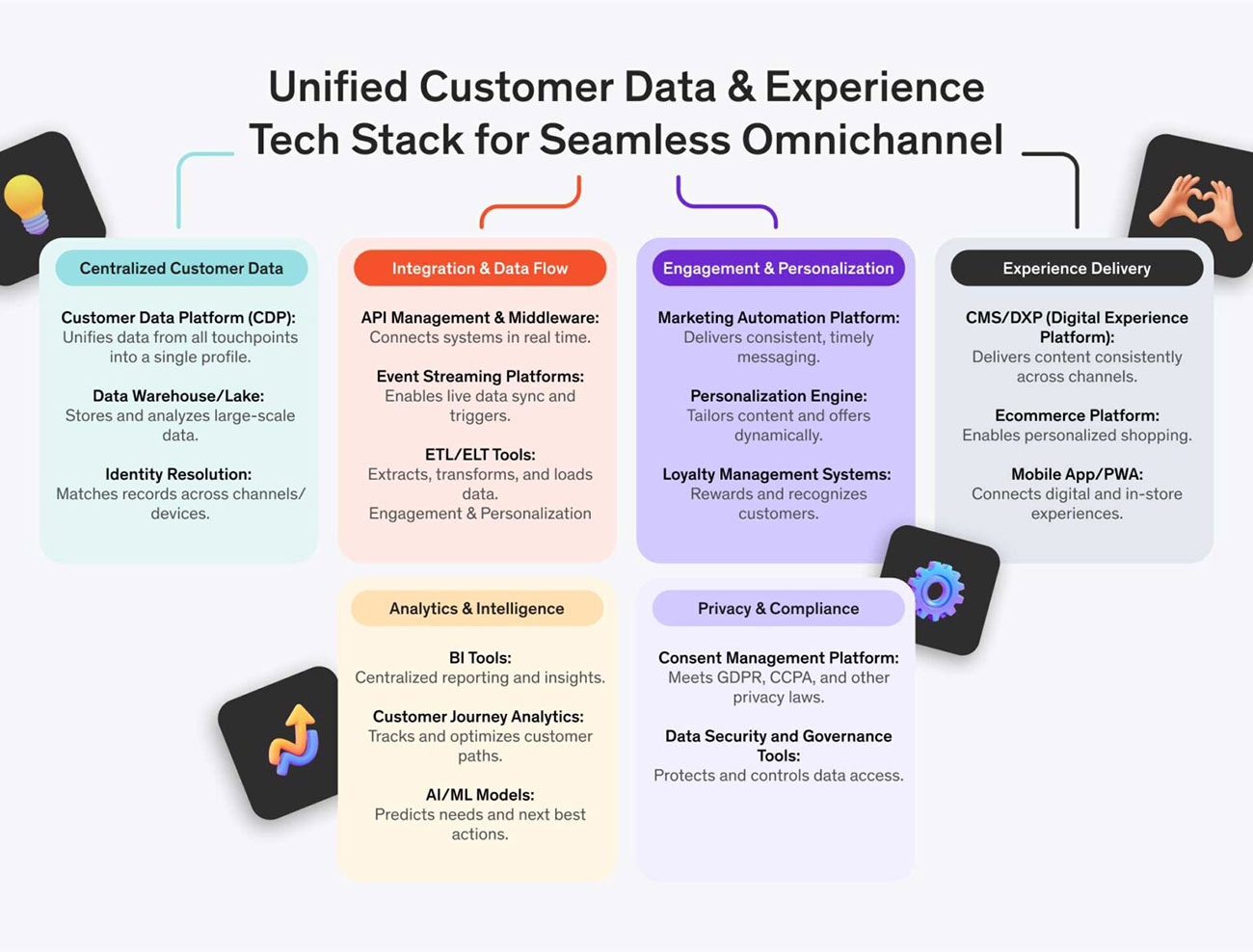
From online to in-store, your experience should be unified and smooth. This means unifying your customer data and ensuring consistency across all touchpoints.
Take Disney’s MagicBand system, for example. This wearable technology transforms a trip to Walt Disney World into a seamless, personalized adventure, eliminating the small hassles that can chip away the magic.
With a single tap, guests can enter the parks, unlock their resort rooms, skip long lines with Lightning Lane access, make secure purchases, and even have ride photos appear automatically in their account.
This effortless integration means visitors spend less time fumbling with tickets or wallets and more time immersed in the experiences they came for. By blending convenience, personalization, and a touch of surprise (like cast members greeting them by name), MagicBands turn ordinary theme park logistics into part of the enchantment, making the brand experience feel both VIP and uniquely Disney.
If you want seamless omnichannel experiences, your tech stack should cover these essentials:
7. Purpose-Driven Brand Experiences
Today’s consumers want to support brands that align with their values. So, how to be a brand that provides meaning?
Author Simon Sinek, famously associated with a theory called the Golden Circle, recommends: “start with why”.
Sinek’s idea is that most brands make a mistake when trying to create a differentiated value proposition. They typically focus on communicating the “what” (their products or services) and “how” (their processes), while their core purpose or “why” becomes an afterthought.
He argues that correcting this by defining a unique purpose (“why”) is crucial for managing brand experience. This approach encourages brands to stand for a set of beliefs that customers can associate with, which can powerfully influence customer mindshare, acceptance, and loyalty.
So, start with your “why.” Whether it’s sustainability, inclusivity, or innovation, brand and customer experience deepen when your values are front and center. Purpose-driven experiences create loyalty based on shared beliefs, not just transactions.
Brand Experience Marketing: Strategies That Build Customer Loyalty
Knowing what makes a great brand experience is one thing. Putting it into action? This is where your marketing shifts from simply promoting products to actively crafting an immersive brand experience.
- Strategy 1: Experiential Marketing
Create live, immersive, and memorable experiences that embody your brand. Think:
- Red Bull’s adrenaline-fueled events. Red Bull isn’t just an energy drink; they’ve created hundreds of events like the Soapbox Race series that engage people in adventure, entertainment, sports, and music, transcending the product itself. Events are powerful because they offer sensory appeal and extended exposure, capturing attention and building loyalty.
- Whole Foods’ in-store classes.
- Grocerants (a hybrid of grocery stores and restaurants) in South Korea that let customers cook their meals adding pleasure and economic value.
These hands-on moments foster real emotional engagement, making brands unforgettable.
- Strategy 2: Content Marketing That Reinforces Experience
Your content should inspire and connect, not just convert.
- Use videos, podcasts, blogs, and interactive tools to tell your brand story.
- Encourage user-generated content (UGC) to amplify authentic voices.
- Think McCormick’s content hub. They don’t just sell spices; their website offers meal planners, recipes, and organizing tips, helping customers build their own food and beverage experiences. Or Life Fitness wellness ecosystem, who goes beyond gym equipment, offering content for facility owners, home exercisers, and even on-demand classes to support a complete fitness journey.
Done right, content becomes a living, breathing part of your brand experience.
- Strategy 3: Social Media That Builds Community
Social media is your brand’s front porch. Make it warm and welcoming.
- Customize your strategy by platform (TikTok ≠ LinkedIn).
- Respond fast. Good community management is essential for building loyalty. Personalize customer care with quick, tailored responses. Did you know that 75% of customers expect a reply within 24 hours?
- Partner with influencers who align with your brand values.
Use tools to track sentiment, engagement, and community growth. This helps you fine-tune your brand experience marketing in real time.
The ideal setup for achieving this is:
- Brandwatch or Talkwalker → for sentiment.
- Sprout Social or HubSpot → for engagement.
- Orbit or Common Room → for community growth.
- Looker Studio or Tableau → to visualize all metrics together.
Want to dig deeper? Here’s a course you might find useful: Business Branding: The Complete Course Part 1 – Strategy
How to Measure Brand Experience Impact on Customer Loyalty
You can’t improve what you don’t measure. Track these KPIs to see how your brand experience drives loyalty:
- Net Promoter Score (NPS): This widely used metric measures customer loyalty by asking how likely someone is to recommend your brand on a scale of 0-10. While useful, it’s best when correlated with brand favorability to truly understand the link between positive perception and advocacy.
- Customer Lifetime Value (CLV): A great brand experience directly contributes to a higher CLV, translating into increased profitability and recurring sales revenue.
- Social Sentiment Analysis: Real-time insights into brand perception helps you understand how people feel about your brand in real-time.
- Brand Recall and Awareness: A consistently positive brand experience enhances brand recall, which is about ensuring your brand easily comes to mind and is recognized among competitors. Think about it: Are you top of mind?
- Customer Retention Rates: Directly track how your brand experience impacts customer retention rates, as powerful experiences foster loyalty and reduce churn.
- Engagement Metrics: Monitor how engaged customers are with your brand across all touchpoints. This includes interactions on social media, website visits, content consumption, and participation in events.
Connecting these metrics to business outcomes means applying the results directly to your brand strategy. Prioritize areas needing immediate attention, address customer pain points, and ensure consistency across all mediums.
Pro Tip: For collecting this data, don’t shy away from customer feedback. Remember, the goal is to get a representative sample and act on the feedback, whether it’s addressing upset customers or identifying advocates for reviews and case studies. Your customers will notice if you make any changes.
Common Brand Experience Mistakes That Hurt Customer Loyalty
Even great brands can trip up. Avoiding these common pitfalls is as crucial as implementing winning strategies:
- Missing personalization opportunities
Generic “Welcome!” messages for loyal customers? That’s a big no-no. Many companies possess a treasure trove of customer data but fail to use it for meaningful personalization.
If you’re not creating targeted, impactful content based on how customers interact with you, you’re missing out. Please, don’t treat loyal customers like strangers.
- Crossing privacy boundaries
While personalization is key, there’s a delicate balance. Overstepping boundaries (like revealing sensitive information gleaned from data) can completely destroy trust.
Consumers are willing to share data for better experiences, but they have legitimate concerns about security and privacy. Respect data and consent.
- Being unresponsive
In an “always-on” world, slow responses are a death knell. Customers expect immediate interactions on social media and through chatbots.
If you’re not offering timely, relevant messaging and proactive solutions, you’re essentially communicating that you don’t care. Earning and keeping customer trust means being responsive 24/7.
- Ignoring accessibility
This isn’t just a nicety; it’s fundamental. Failing to make your experiences, especially digital ones, accessible to everyone, including those with disabilities, is a massive blunder.
It sends a clear message that some potential customers matter less, damaging your brand’s reputation and alienating a significant portion of the population. Make your experiences inclusive for all.
- Obsessing over acquisition
It’s easy to get caught up in the thrill of new customers. But true longevity comes from nurturing your existing base, turning casual buyers into repeat customers and advocates.
Don’t pour all your resources into flashy, one-off experiences while letting consistency and existing relationships wither. Retention builds sustainable growth.
- Forgetting employee experience
Excellent customer experience starts with superior employee experience. If your employees are unhappy, unsupported, or disengaged, that negativity will seep into customer interactions, no matter how carefully you’ve crafted your brand image.
Empower your team with technology, information, training, and incentives to provide top-notch service. Disengaged teams = poor customer experience.
Upskill Your Team to Build Brand Experiences with Git
To build loyalty, you need a team that understands your brand and is equipped to deliver standout experiences at every touchpoint.
Upskill your employees in:
- Emotional intelligence.
- Customer journey mapping. Check out the Customer Success Foundations: Customer Journey Mapping course.
- Data analysis. Check out the Data Analysis for Beginners course.
- Empathy-driven service.
How else will they understand customer needs, anticipate their journey, and leverage insights for impactful interactions?
Investing in these skills means equipping your employees to be more engaged, provide better service, and gain necessary support from technology.
Git can be an invaluable resource for upskilling your teams in these crucial areas. Beyond individual skills, the ultimate goal is to cultivate a company culture where delivering consistent, memorable brand experiences isn’t just a task, but a core value.
When every person in your organization understands and contributes to the brand’s purpose, you create an environment that continuously fosters customer loyalty and proactively enhances your brand’s reputation.
Final thoughts: Brand Experience Is The Loyalty Multiplier
To increase customer loyalty, shift your focus from selling to connecting. Craft experiences that resonate, engage, and inspire.
Whether you’re refining your content, improving support channels, or launching immersive campaigns, the goal is the same: build a brand experience so good they’ll never forget it and never leave you for someone else.
Please Log in to leave a comment.