How to Manage Multiple Freelance Projects Effectively

Have you ever wondered how successful freelancers manage multiple projects simultaneously without compromising the quality of their work or experiencing burnout? Perhaps you started freelancing with one project, but now with an influx of job requests, you want to handle several projects at once. However, it comes with its own challenges—from disorganized schedules to the stress of missing deadlines. If these are your concerns too, this article is for you. In this article, we'll explore practical and proven strategies that will help you not only manage multiple projects but also achieve greater income and satisfaction in the process.
Table of Contents
- Why Managing Multiple Projects Simultaneously is Crucial for Freelancers?
- Key Principles for Effective Project Management
- Efficient Tools and Techniques for Freelancers
- Maintaining Mental Health and Preventing Burnout
- Expanding Your Professional Network and New Opportunities
- Conclusion
Why Managing Multiple Projects Simultaneously is Crucial for Freelancers?
When we talk about managing multiple projects at the same time, it's not just about juggling several tasks. It means optimizing time, increasing productivity, and even stabilizing income. For freelancers, relying on a single project can be highly risky. If that project ends or the client decides to terminate the collaboration, your income is at stake. Having multiple projects not only creates a more stable income source but also provides more opportunities for learning and growth.
Increasing Job and Income Security
Imagine putting all your eggs in one basket. If that basket falls, what happens? In freelancing, working on just one project can be dangerous. By having multiple projects, even if one encounters issues or gets canceled, you still have others to sustain your income. This diversification creates a financial safety net for you.
Diversity in Work and Preventing Monotony
Working on one type of project for a long time can become tedious. Managing multiple projects with different topics or skills prevents monotony. It allows you to apply your creativity across various fields and gain diverse experiences. This variety greatly helps in boosting motivation and preventing burnout.
More Opportunities for Growth and Learning
Every new project you take on is a new opportunity to learn new skills or strengthen existing ones. By managing multiple projects simultaneously, you're exposed to more challenges and situations, each of which can contribute to elevating your professional level. These varied experiences enrich your resume and transform you into a more experienced freelancer with broader knowledge.
- If you're looking to improve your project management skills, exploring our Freelancing courses can help you grow faster and work more efficiently.

Key Principles for Effective Project Management
Managing multiple projects at once may seem complicated, but by following a few key principles, you can control it with ease. These principles help you establish structure, order, and clarity in your work.
Precise and Realistic Planning
Planning is the cornerstone of success in managing multiple projects. Without a clear plan, you'll soon drown in a sea of deadlines and tasks. This planning should include details of each project, estimated time for each task, and specific deadlines.
- Scheduling Each Project Separately: Create a separate timeline for each project. This involves breaking the project into smaller tasks and assigning time to each.
- Using Calendars and Planning Tools: Utilize tools like Google Calendar, Trello, Asana, or Jira to visualize your work schedule. These tools help you avoid forgetting deadlines and track progress.
- Determining Realistic Work Capacity: Before accepting new projects, realistically assess your work capacity. It's better to take on slightly fewer projects and deliver them with high quality than to overload yourself and fail to meet all commitments.
Smart Task Prioritization
Not all tasks are equally important. The art of project management lies in prioritizing tasks based on their urgency and importance.
- Eisenhower Matrix: Divide tasks into four categories: urgent and important, important but not urgent, urgent but not important, and neither important nor urgent. Focus first on urgent and important tasks.
- Setting Clear Deadlines: Every task should have a specific deadline. This helps you concentrate on what needs to be done within a set time.
- Planning Specific Times for Each Project: Instead of constantly switching between projects, allocate specific times during the day to each one. For example, work on Project A in the mornings and Project B in the afternoons.
Effective Communication with Clients
One of the most important factors in project success is transparent and regular communication with clients. This helps prevent misunderstandings and manage expectations.
- Regular Reporting: Keep the client informed regularly, even if progress is minimal. This reassures the client and keeps them updated on the project status.
- Transparency in Issues: If you encounter a problem that might affect the deadline, inform the client immediately. Honesty and transparency help maintain the client's trust.
- Confirming Expectations: At the start of the project, always confirm the client's expectations regarding the final output, deadlines, and communication methods. This prevents many potential issues.
Boost your freelancing skills with these recommended courses:
- The Freelance Masterclass: For Creatives
- Complete Guide to Freelancing in 2023: Zero to Mastery
- Work From Home as a Virtual Assistant
- Kickstart a Freelance Editor & Proofreader Career on Upwork
- Freelancing: 37 Ways to Make Money From Home as a Freelancer
Efficient Tools and Techniques for Freelancers
Just as a carpenter needs the right tools for their craft, as a freelancer, you need tools to perform your work at its best. Using the right tools can make a significant difference in your productivity.
Project Management Software
These tools help you track projects, tasks, deadlines, and progress.
- Trello: Excellent for visually organizing tasks in a card-based system. You can have a separate board for each project.
- Asana: A more powerful tool for teams and complex projects, but highly useful for freelancers, especially for managing tasks and subtasks.
- ClickUp: A comprehensive tool offering features from project management to time tracking.
- Jira: Primarily used by software developers, but very efficient for technical and complex projects.
- Gantt Charts: Available in some of these software or separately, Gantt charts help you visualize project timelines with task dependencies.
Time Management Techniques
These techniques help you focus on tasks and prevent time wastage.
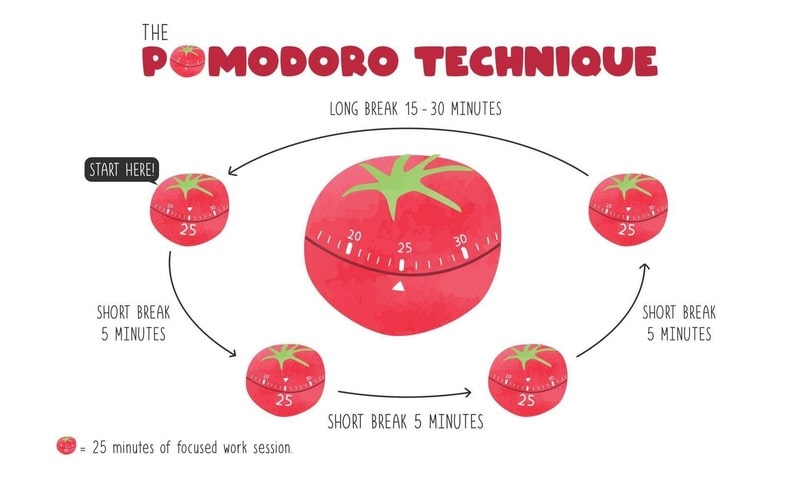
- Pomodoro Technique: 25 minutes of focused work followed by 5 minutes of rest. This helps maintain your concentration and prevents burnout.
- Time Blocking: Allocate specific times in your calendar to each task or project and focus solely on that work during those times.
- Two-Minute Rule: If a task takes less than two minutes, do it immediately to prevent accumulation.
- 1-3-5 Rule: At the start of the day, plan one big task, three medium tasks, and five small tasks to accomplish.
Communication and Collaboration Tools
- Slack or Microsoft Teams: For quick and easy communication with clients and colleagues.
- Zoom or Google Meet: For meetings and coordination.
- File Sharing Tools (e.g., Google Drive or Dropbox): For sharing and managing project documents and files.
Maintaining Mental Health and Preventing Burnout
Freelancing, especially with multiple projects at once, can be high-pressure. Taking care of mental health is as important as managing tasks. Job burnout can severely reduce your productivity and even make you resent your work.
Clear Boundaries Between Work and Life
One of the main challenges of freelancing is the blurring of boundaries between work and personal life. To prevent this, you need to set clear boundaries.
- Setting Specific Working Hours: Like an employee, define specific working hours for yourself and stick to them.
- Creating a Dedicated Workspace: If possible, have a designated workspace at home used only for work. This helps your brain distinguish between work mode and rest mode.
- Avoiding Constant Email and Message Checks: After working hours, don't check work emails or messages. Responding 24/7 fuels unrealistic expectations.
The Importance of Rest and Recreation
Rest not only allows recovery but also boosts creativity and focus.
- Short Breaks Throughout the Day: According to the Pomodoro technique, short and regular breaks during the day are essential.
- Planning for Leisure Time: Incorporate activities that energize you and take you away from work into your daily and weekly schedule. This could include exercise, reading, meeting friends, or any hobby.
- Periodic Vacations: Definitely schedule specific vacations for yourself to completely disconnect from the work environment and recharge.
Stress Management and Seeking Help
Stress is an inseparable part of freelancing, but managing it is crucial.
- Exercise and Meditation: Physical activities and mindfulness practices like meditation can help reduce stress.
- Talking to Others: If you feel overwhelmed, talk to friends, family, or fellow freelancers. Sharing experiences can be helpful.
- Outsourcing: If certain tasks are overwhelming you, it might be time to outsource part of the work to another freelancer.
Expanding Your Professional Network and New Opportunities
Managing multiple projects doesn't mean isolation. On the contrary, the more professional you become, the more opportunities for collaboration and growth you'll have.
The Importance of Networking
Networking helps you meet new people, learn from others' experiences, and find new job opportunities.
- Attending Industry Events: Participate in conferences, webinars, and seminars related to your field.
- Activity on Professional Social Networks: Platforms like LinkedIn, Twitter, and others can provide great opportunities to connect with colleagues and potential clients.
- Connecting with Other Freelancers: Stay in touch with other freelancers. This can lead to experience sharing, project referrals, and even collaboration on larger projects.
Building a Strong and Updated Portfolio
Your portfolio is your work showcase. Update it with every new project you complete.
- Showcasing the Best Work: Only include your best and most relevant works in the portfolio.
- Diversity in Projects: If you're managing multiple projects with different topics, showcase that diversity to highlight your multifaceted skills.
- Explaining Role and Results: For each project, describe your role, the challenges faced, and the results achieved.
Pursuing Collaboration Opportunities
Sometimes, managing multiple projects involves collaborating with other freelancers.
- Collaborating on Large Projects: If a project is larger than your capacity, suggest partnering with other freelancers. This can expand your network and enable tackling bigger projects.
- Complementary Projects: Connect with freelancers who have complementary skills to yours. For example, a graphic designer and a copywriter can offer a more complete package to clients.
Conclusion
Managing multiple projects simultaneously for freelancers is a path full of challenges and opportunities. With precise planning, smart prioritization, using efficient tools, and most importantly, caring for mental health, you can navigate this path successfully. Remember, this ability not only helps you earn more income but also enriches your work experience and increases your job satisfaction. Every project you complete successfully is a step toward becoming more professional and building a brighter future in the freelancing world. So, start today, plan ahead, and confidently stride toward your goals. You can do it!
Please Log in to leave a comment.