The Essential Guide to Photography Styles
Discover major photography styles with clear explanations of each genre’s purpose, techniques, and creative value. A helpful guide for beginners and professionals choosing their direction.
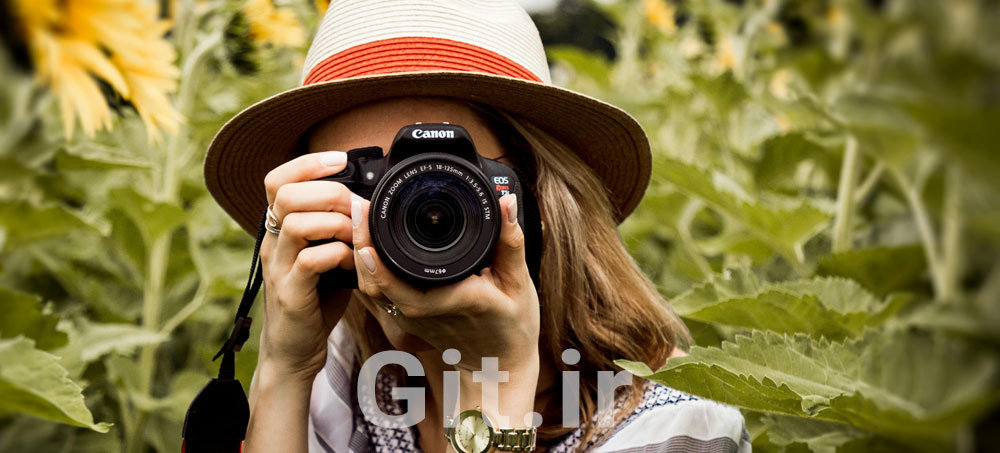
Photography is the art of capturing moments with light that shines from the surrounding world onto the camera lens. In the simplest definition, photography means recording light on a sensitive surface, but in truth, this art goes beyond a technical process. Photography is a way of seeing the world; a tool for expressing emotions, telling stories, and discovering the hidden beauties of life. Every photo can be a reflection of the photographer's gaze and feelings, because the photographer is not just a recorder of reality, but also its creator and interpreter.
Throughout history, photography has evolved from an emerging technology to a powerful medium and independent art form. From the first black-and-white images of the 19th century to today's digital photography and smart mobile phones, this art has been continuously transforming. Nowadays, photography is everywhere: from newspapers and advertisements to visual arts and social networks. Every image carries an emotion that can inspire, raise awareness, or even change human perspectives.
In this article, we aim to familiarize ourselves with the various branches of photography; from natural landscapes to emotional portraits, from bustling streets to precise architectural structures. Each branch has its own world and requires a different gaze, skill, and purpose. The goal of this text is to provide a comprehensive and practical view of different photography styles and help you recognize the suitable artistic or professional path in this creative world.
1. Landscape Photography
Landscape photography is one of the most popular branches of photography, aiming to capture the beauties of nature and convey the feeling of presence in natural spaces. This style typically includes mountainous landscapes, forests, seas, deserts, and the night sky. The landscape photographer strives to record a combination of color, light, and space in such a way that the viewer feels as if they are standing in that very place. To achieve this, the photographer must be patient, know the right time of day, and have a precise understanding of natural light.
In landscape photography, the element of time holds special importance; sunrise and sunset are usually the best moments for shooting. Also, attention to composition and using leading lines ensures the viewer's eye moves naturally along the desired path. This branch is a combination of art, nature, and a sense of peace, and for many photographers, it's an inner and contemplative journey.
2. Portrait Photography
Portrait photography focuses on people and their faces. The main goal in this branch is not just capturing appearance but portraying emotions, mental states, and the inner personality of the subject. Portraits can be formal, artistic, or emotional. In this style, the connection between the photographer and the subject is of particular importance, as trust and comfort reflect in the person's face and determine the photo's quality.
Lighting plays a decisive role in portrait photography. Using soft light creates intimacy, while harsh light or deep shadows can make the face dramatic. Portrait photography is a blend of art, psychology, and technique, which is why it's one of the foundational branches of photography.
3. Street Photography
Street photography is a form of documentation of everyday life. In this branch, the photographer captures real moments of people in public spaces without direct intervention. Subjects can range from passersby faces to light and shadow play on the streets. The main goal is to record reality as it is, without staging or pretense.
Success in this style depends on the power of observation and quick reaction. The street photographer must be able to capture a pure and meaningful moment amid the hustle and bustle. This type of photography is often accompanied by human feeling, social humor, and a poetic gaze.
4. Macro Photography
Macro photography reveals a world of hidden details. This branch is dedicated to capturing small objects from very close distances; from water droplets to butterfly wings. The goal is to show beauties that aren't visible to the naked eye.
This style is a combination of patience, precision, and complete control over depth of field. Macro photography can be both scientific and artistic; because it both aids in understanding the natural world and creates visual wonder.
5. Fashion & Commercial Photography
Fashion and commercial photography is one of the most professional branches of photography, focusing on displaying beauty, style, and brand identity. The goal is to create an image that captivates the audience and conveys the product or idea's message. In this style, every detail from color, light, and model pose is meticulously designed.
Fashion photography is a fusion of art, design, and marketing. Collaboration between the photographer, model, fashion designer, and art director is an inseparable part of this process. This style, while creative, requires order and precise planning.
6. Still Life Photography
Still life photography means portraying inanimate objects like fruits, books, or everyday items in a way that gains meaning and feeling. The seemingly simple appearance of this style shouldn't be misleading; success in it depends on skill in light, composition, and color.
In this branch, the photographer acts like a painter. Every element of the scene is carefully selected and arranged to create a specific concept or visual beauty. This style can be poetic, symbolic, or commercial.
7. Wildlife Photography
Wildlife photography is a blend of art and science, aiming to capture the natural behavior of animals in their habitats. This style requires patience, precision, and respect for nature. Every image can tell a story of survival, beauty, or the connection between humans and the environment.
The main challenge in this branch is capturing a pure moment in unpredictable conditions. Wildlife photography plays a key role in raising awareness about environmental conservation and biodiversity.
8. Sports Photography
Sports photography captures movement and excitement. This style focuses on energetic and decisive moments, when emotion, power, and competition are at their peak. The photographer must have high reaction speed and precise knowledge of the game's rhythm.
In this branch, timing is everything. A successful photo is one that can capture passion and dynamism in a static frame and convey the feeling of being present at the scene to the viewer.
9. Conceptual Photography
Conceptual photography uses the image as a language to express an idea or feeling. Its goal is not representing reality but creating an image that conveys a mental or philosophical meaning. This branch often uses symbols, colors, and light to emphasize the concept.
In this style, creativity and imagination play the main role. The photographer designs a mental idea and captures it through a combination of light, space, and subject. Every viewer can have their own personal interpretation of the photo, and this feature makes this style unique.
10. Architectural Photography
Architectural photography focuses on displaying form, structure, and visual order of buildings. This branch is a combination of technical precision and aesthetics. The goal is to show harmony among light, shadow, lines, and volumes.
The architectural photographer must have a geometric and analytical vision to convey the sense of space. This style is not only for documenting structures but also for expressing design philosophy and understanding the beauty of constructions.
Final Conclusion
Photography is a vast and multifaceted world where each branch presents a different narrative of the world. From serene nature to bustling cities, from human faces to engineered structures, every image can tell a new story. By recognizing different branches, one can choose their artistic or professional path with awareness and interest. Ultimately, photography is a universal language that shares emotion, thought, and beauty without words.
Top courses in Photography:

Please Log in to leave a comment.