Suggested Courses
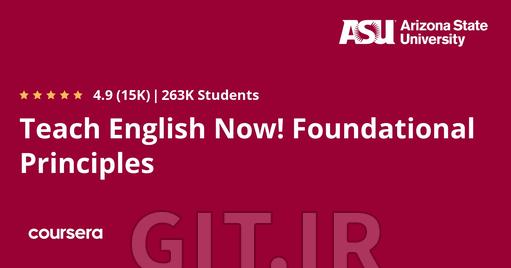








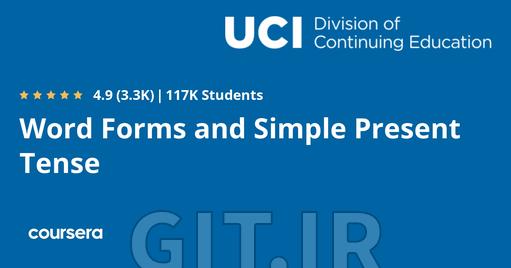
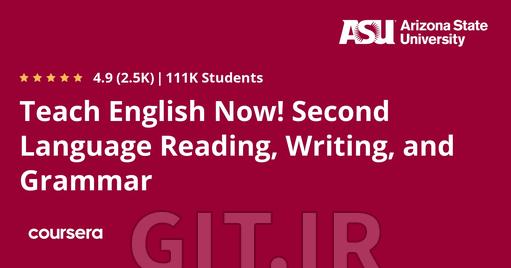













English Learning Guide
Learning English is one of the most powerful investments you can make for your future. Whether your goal is studying abroad, growing your career, traveling confidently, or accessing global knowledge, strong English skills open countless doors. This guide helps learners at all levels build a clear learning path and stay motivated throughout their journey.
If you are preparing for international exams, make sure to explore these categories:
These exams measure your ability in reading, writing, listening, and speaking — so developing all four skills is essential.
English Speaking
Speaking is often the hardest skill, especially without real conversation practice. However, with the right approach, anyone can develop clear and confident English speech.
Learn more here: English Speaking
- Shadow native speakers to copy tone and rhythm.
- Record yourself and review pronunciation.
- Learn phrases and common expressions instead of isolated words.
- Practice short conversations daily.
English Listening
Listening builds your ability to understand natural English in movies, podcasts, meetings, and real conversations. Many learners understand slow English but struggle with real speech — accents, speed, and informal expressions.
Start here: English Listening
- Listen to different accents such as American, British, and Australian English.
- Use subtitles at first, then remove them gradually.
- Repeat audio more than once to catch details.
- Practice with podcasts, news, and interviews.
English Vocabulary
Vocabulary is the foundation for expressing ideas clearly. Instead of memorizing endless word lists, focus on learning vocabulary in real contexts.
See the full category: English Vocabulary
- Learn words inside real sentences.
- Group vocabulary by themes like business, travel, or technology.
- Use spaced repetition (SRS) for better memory.
- Study idioms, phrasal verbs, and collocations.
Strong vocabulary is also essential for IELTS and GRE Test.
English Grammar
Grammar helps you form correct and natural sentences. You don’t need to memorize rules — understanding patterns and practicing them works better.
Explore: English Grammar
- Focus on real examples, not only definitions.
- Practice important topics such as tenses, conditionals, and modals.
- Do short exercises every day.
- Apply grammar directly in writing and speaking.
English Reading
Reading improves vocabulary, grammar, and comprehension naturally. It also helps you think in English more effectively.
Start here: English Reading
- Begin with easier texts and progress to advanced ones.
- Summarize paragraphs to improve understanding.
- Practice skimming and scanning for exam preparation.
- Read aloud to improve rhythm and pronunciation.
English Writing
Writing is essential for academic work, business communication, and exam preparation. Good writing requires structure, clarity, and practice.
Explore: English Writing
- Write short paragraphs daily.
- Learn how to structure essays and reports.
- Study high-scoring IELTS and GRE writing samples.
- Edit and rewrite your work — improvement happens during revision.
Learning Roadmap
- Step 1: Build your foundation with essential grammar and vocabulary.
- Step 2: Strengthen speaking, reading, and listening with daily practice.
- Step 3: Increase exposure through podcasts, videos, and books.
- Step 4: Prepare for exams like IELTS and GRE Test.
- Step 5: Move toward advanced fluency with native-level materials.
Immersive Learning
You can create an English-rich environment anywhere:
- Set your phone and computer language to English.
- Follow English content creators.
- Read news, blogs, and articles daily.
- Join English discussion groups online.
Technology Tools
Modern learning tools such as vocabulary apps, pronunciation analyzers, AI writing assistants, and video-based lessons accelerate progress and help track improvement.
Common Mistakes
- Relying only on passive learning without practice.
- Memorizing vocabulary without using it.
- Being afraid of making mistakes while speaking.
- Ignoring revision and review.
- Listening only to slow English.
Advanced English
As you progress, focus on advanced grammar, academic reading, professional writing, accent clarity, and critical thinking.
- Read long-form articles and books.
- Practice structured debates.
- Write analytical essays and reports.
Conclusion
Learning English is a long-term but highly rewarding journey. With consistent practice in speaking, listening, reading, writing, vocabulary, and grammar — and by using the categories linked above — you will move steadily toward fluency and confidence.